July gets the postcards. May and September do the actual work. Ask anyone who plans travel for a living when they take their own holidays and you will hear the same two answers, delivered with the certainty of people who have stood on the same beach in both months. The shoulder season, those weeks either side of peak, is the best decision in travel that costs nothing to make. All it asks is a little flexibility with dates.
What you gain
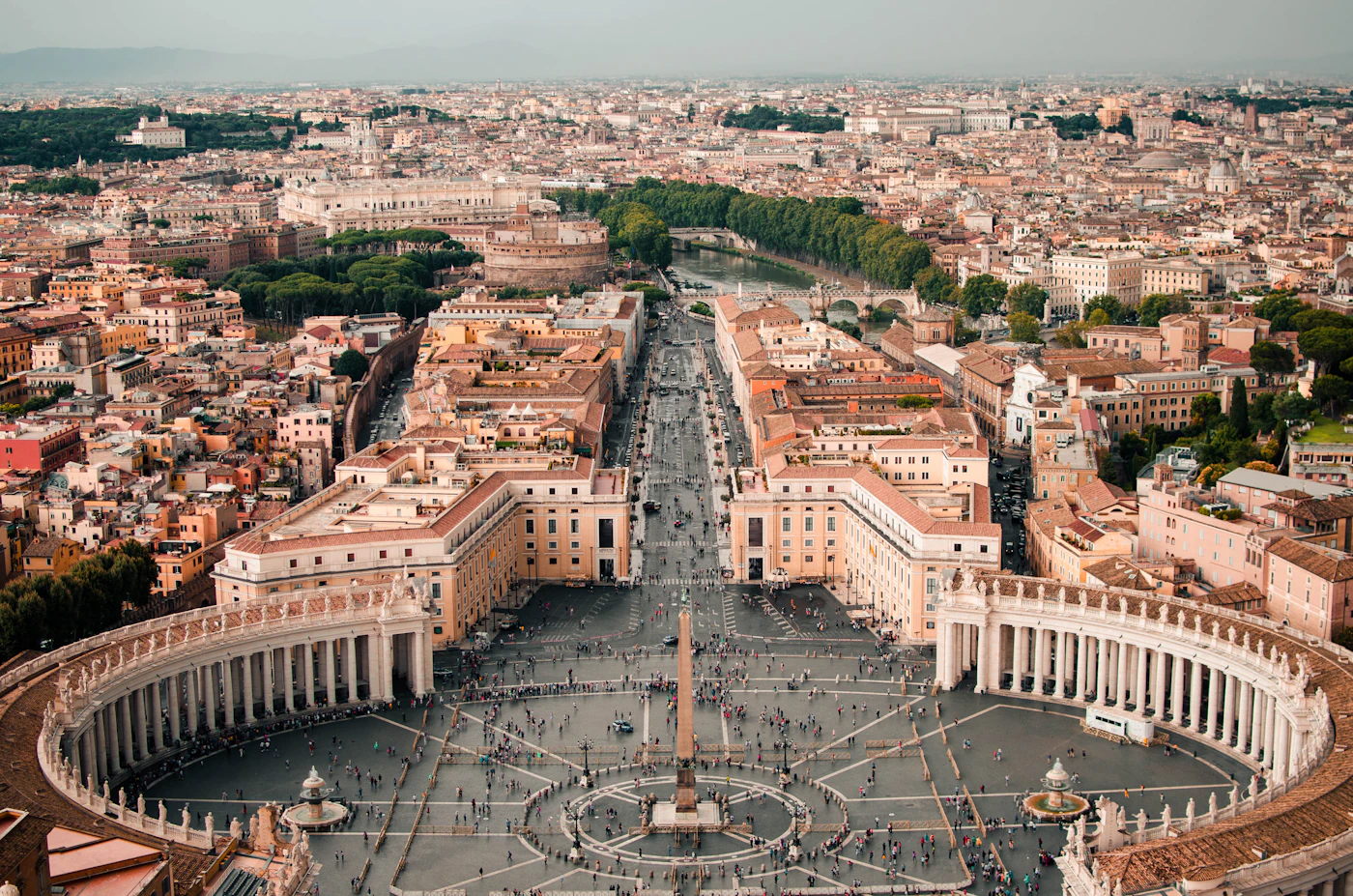
Softer light, first. Photographers chase April and October for a reason: the sun sits lower and everything looks better, including you. Kinder temperatures, second. You can actually walk Rome or Marrakech at two in the afternoon instead of hiding from it. Then come the human factors, which matter more than people admit. Waiters have time to talk. Hotels upgrade you because they can. The queue for the famous thing is twenty minutes rather than two hours, and the beach has more sand than towels on it.
Where it pays off most
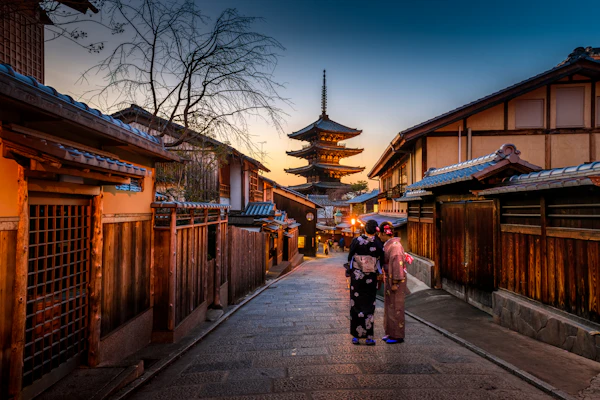
Greece in late September is the version worth hoarding: the Aegean at its warmest after a whole summer of heating, tavernas exhaling after the rush. Italy in May means Tuscany green instead of scorched, and cities that belong to walkers again. Croatia in September keeps all the swimming and loses the marina crush. Morocco in October gives you desert nights that want a blanket and souks you can breathe in. And Japan in late May, after the holiday crowds have gone home and before the humidity arrives, might be the most underrated fortnight in Asia.
What you trade
Honesty matters here, so here is the full bill. Days run shorter than midsummer. A few seasonal beach clubs and ferry routes wind down at the far edges of the calendar. The sea in May is livelier than in September, which is exactly why September usually wins for swimmers. Pack one more layer than instinct suggests. That is the entire cost, and you will notice none of it while you have a harbour-front table that would have needed a week's notice in August.
The value works quietly in your favour too. The same room, the same view and the same pool simply ask less of the budget three weeks either side of peak, which means the trip can stretch: an extra night, the better room category, the private guide instead of the group. Few decisions in travel buy this much with this little.
How to time it
The working rule: aim for the two to three weeks just outside the school holidays, then check what the place itself is doing. Harvest in wine country. Festival calendars. The migration months on safari. Whale seasons on the coasts. This is precisely the kind of detail a planner carries in their head, and it is often the difference between a good week and the week you retell for years.
If your dates are flexible, you are holding the best card in travel. Tell us your window and we will tell you where it buys the most.